
1908
Demarcated region
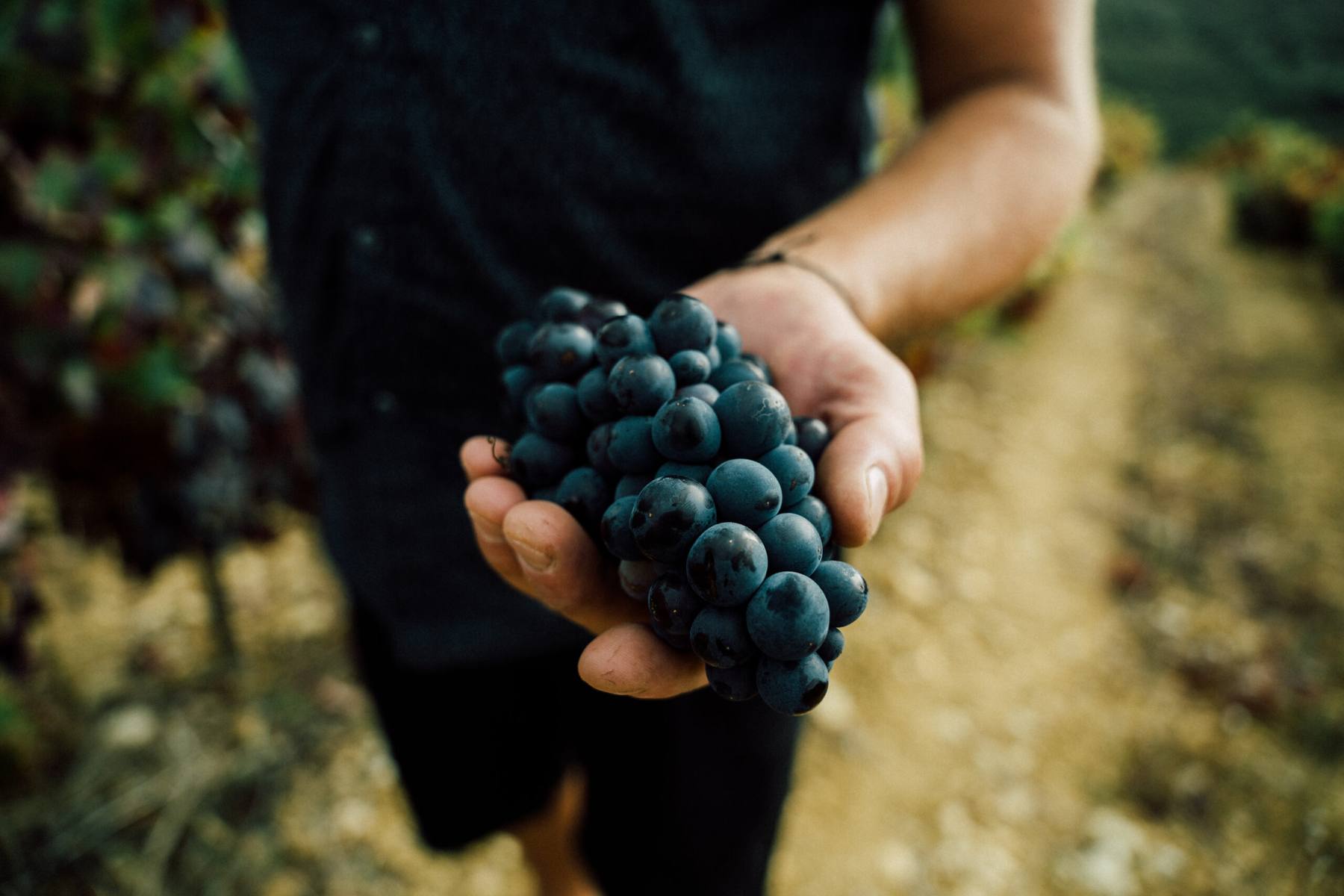
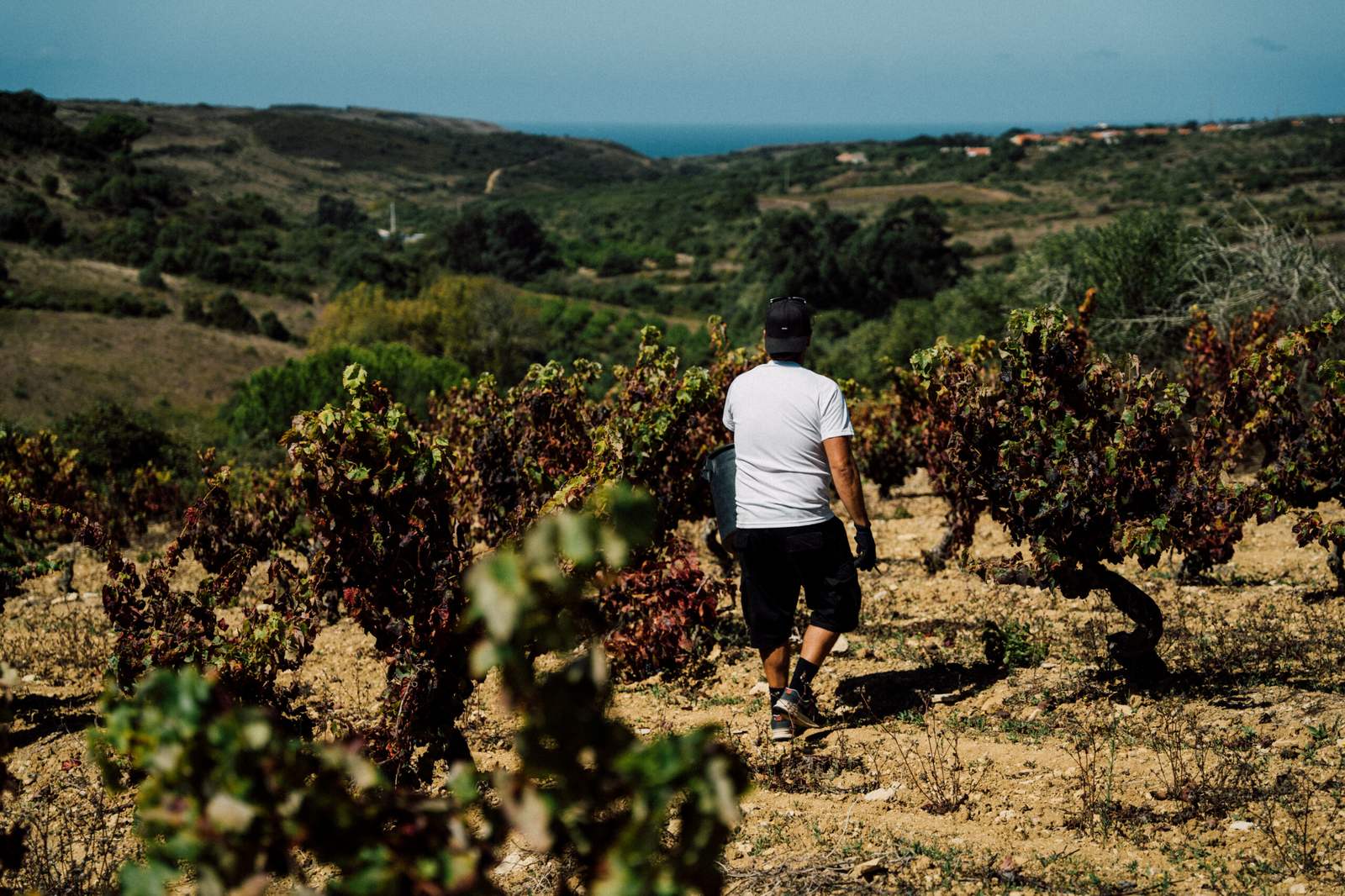
Between the Sintra hills and the Atlantic, our vines are planted ungrafted, in dune sand. It was the sand that stopped phylloxera more than a century ago — and it still puts the salt in every glass.
 Phylloxera cannot cross sand. That is how these vines survived.
Wine has been made on this land since Roman times, and in 1230 King Afonso III granted it to nobles on the condition that they plant vines. But it was in 1865, when phylloxera devastated the vineyards of Europe, that Colares became famous: in the sandy soils the roots run deep and the insect could not spread.
That is why our vines are still planted ungrafted — a rarity anywhere in the world. Demarcated in 1908, Colares is the second-oldest wine region in Portugal, on a stretch of sand between Cabo da Roca and the sea.
To the vineyards we inherited from our family we added Malvasia de Colares and Ramisco, the grapes of the region. The nearness of the Atlantic makes the work harder — and that is exactly what you taste in the glass.
In older days, the village of Cortesia went by a far less polite name — “Caralhos Velhos”, which we shall politely translate as “Old Pricks”. The story goes that a king, passing through these lands, asked the locals what the place was called. Hearing the answer, he exclaimed indignantly, “Haja Cortezia!” — “Let there be courtesy!” — and so the village became Cortesia. We kept the exclamation.
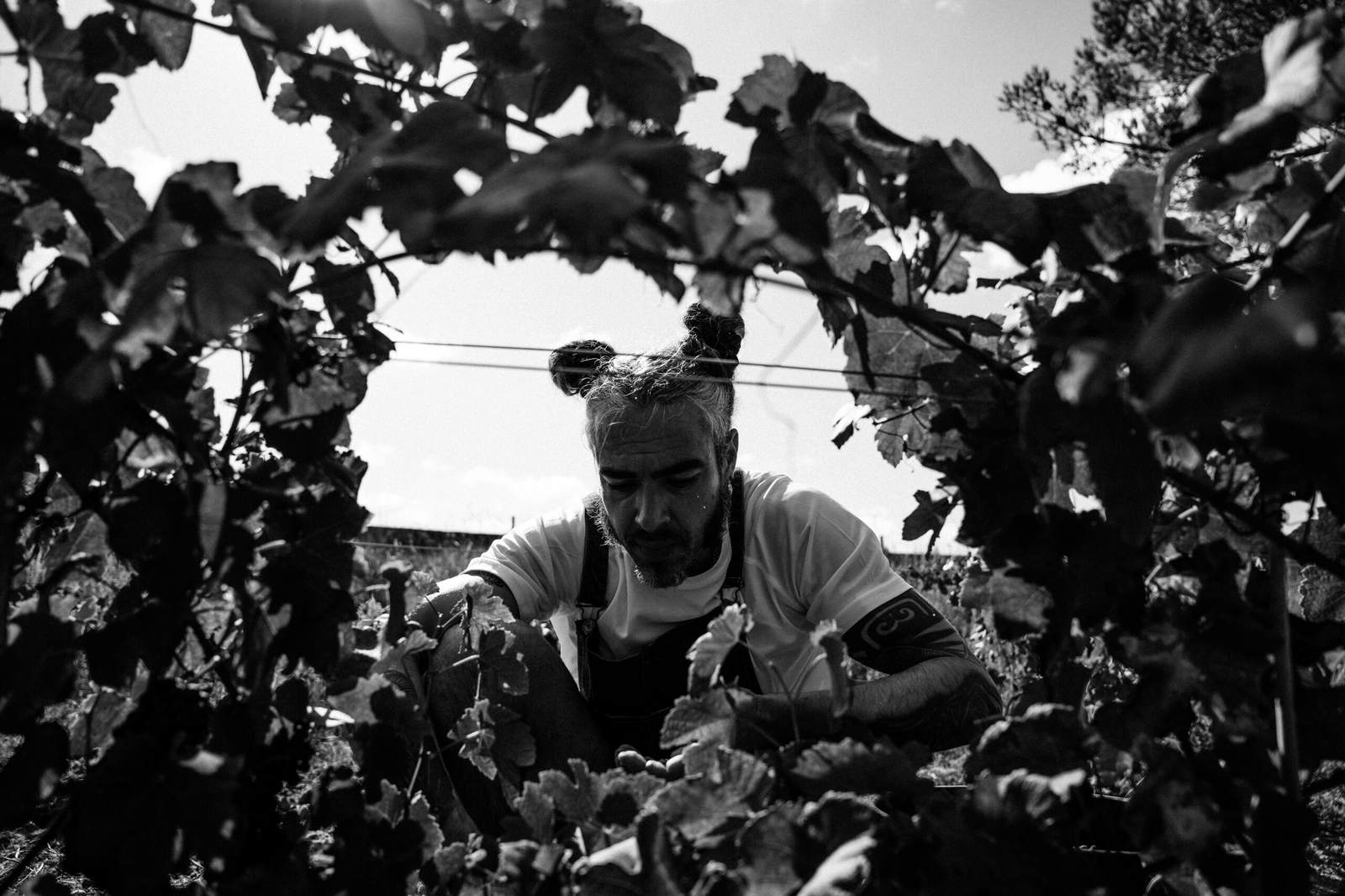
Walk among ungrafted vines planted in sand. Malvasia de Colares, Ramisco and old vines in field blend — grape varieties mingled in the land itself.
From planting to label, every step is ours. A small family winery where you taste the wines right where they rest.
A board of cheeses, black-pork paio, pesto, toasts and country bread. In the evening, wild fish or meat over charcoal.
The best things in life are meant to be shared.The Haja Cortezia family
All tastings include a board of cheeses, black-pork paio, pesto, toasts and country bread.


Choose the experience, the day and your party size. We confirm within a few hours — nothing to pay now.